Navigating the Maze: The Best UK Business Bank Accounts for Expats in 2024

Breaking the Barrier: Why Expats Need Specialized UK Business Banking
Starting a business in the United Kingdom is an exhilarating prospect for any international entrepreneur. The UK offers a stable legal environment, a massive consumer market, and a strategic bridge between Europe and the rest of the world. However, for expats, the initial hurdle often isn’t the business plan or the marketing strategy, but rather the complexity of opening a business bank account. Traditional banks have historically been cautious, often requiring physical residency or a long-standing UK credit history that many newcomers simply don’t have yet.
In recent years, the landscape has shifted dramatically. The rise of fintech and digital-first banks has dismantled many of the old barriers, offering streamlined digital onboarding processes that cater specifically to the needs of the modern expat. This guide dives deep into the technicalities of the best UK business bank accounts, weighing the pros and cons of traditional heavyweights versus the agile disruptors that are winning over the international community.







The Digital Disrupters: Top Choices for Global Entrepreneurs
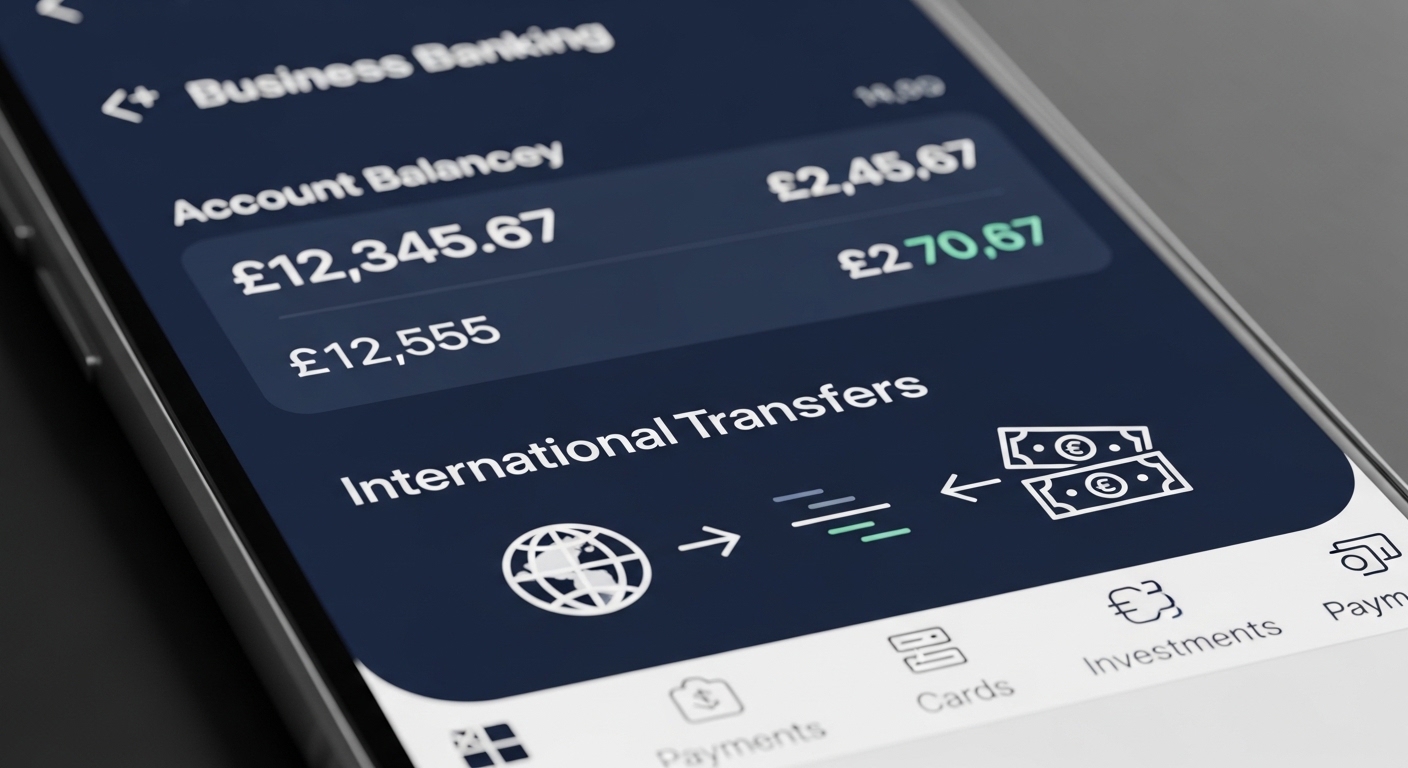
For most expats, digital banks—often referred to as neobanks—are the first port of call. These institutions prioritize speed and accessibility, often allowing you to open an account within minutes from a smartphone, provided you have the right documentation. Unlike traditional branches that might require a face-to-face meeting, these platforms use advanced biometrics and digital verification to vet their customers.
Revolut Business: The Multi-Currency Giant
Revolut Business has become a staple for expats due to its unparalleled flexibility with international currencies. It allows businesses to hold, exchange, and receive funds in over 25 currencies using the interbank exchange rate. This is particularly beneficial for expats who are importing goods or serving clients across multiple borders. The platform also offers physical and virtual cards with granular spending controls, making it easy to manage team expenses without the administrative headache.
Beyond just currency, Revolut integrates seamlessly with accounting software like Xero and QuickBooks. This automation saves hours of manual data entry, which is a lifesaver for small business owners juggling multiple roles. However, it is important to note that Revolut currently holds a European banking license but is still in the process of securing a full UK banking license, meaning it operates as an Electronic Money Institution (EMI) in the UK for now.
Wise Business: Transparency and Lower Costs
Wise (formerly TransferWise) built its reputation on price transparency and the mid-market exchange rate. For an expat business owner whose primary concern is the cost of moving money internationally, Wise is often the most cost-effective choice. They offer local bank details for the UK, Eurozone, US, Australia, and several other regions, allowing you to get paid like a local regardless of where your client is based.
One of the standout features for expats is the batch payments tool. If you need to pay multiple international freelancers or suppliers at once, Wise allows you to upload a spreadsheet and execute hundreds of payments in one click. While it lacks some of the high-end credit features of a traditional bank, its sheer efficiency in cross-border transactions makes it a mandatory tool in many expat business kits.
Established Players with Modern Twists
While neobanks are popular, some expats prefer the security of a fully licensed UK bank covered by the Financial Services Compensation Scheme (FSCS). This protection ensures that deposits up to £85,000 are guaranteed by the government if the bank fails. Fortunately, several UK banks have modernized their offerings to better serve the expat demographic.
Starling Bank: The Award-Winning Challenger
Starling Bank bridges the gap between digital agility and traditional security. It is a fully licensed UK bank with no monthly fees for its basic business account. For expats who have successfully established residency in the UK, Starling is often the gold standard. Its app is intuitive, and it offers a ‘Marketplace’ where you can connect various business tools directly to your bank feed.
Starling also offers 24/7 UK-based customer support, which is a significant advantage over many competitors. For an expat navigating a new tax system and regulatory environment, being able to speak to a human at 2 AM can be incredibly reassuring. Their application process is entirely digital, though they do require proof of UK residency and a valid UK phone number.
HSBC Kinetic: The High-Street Digital Hybrid
HSBC is perhaps the most recognized banking brand globally, making it a natural choice for expats who already have a relationship with the bank in their home country. HSBC Kinetic is their mobile-first business account designed specifically for small businesses and sole traders. It offers the familiarity of a big bank with the convenience of a modern app.
One of the unique advantages of HSBC Kinetic is the ‘Insights’ feature, which provides automated categories for spending and alerts for potential cash flow issues. Furthermore, if your business grows to the point where you need complex international trade finance or large commercial loans, having an existing relationship with HSBC can simplify the transition to their corporate banking division.
Essential Requirements and Technical Checklist
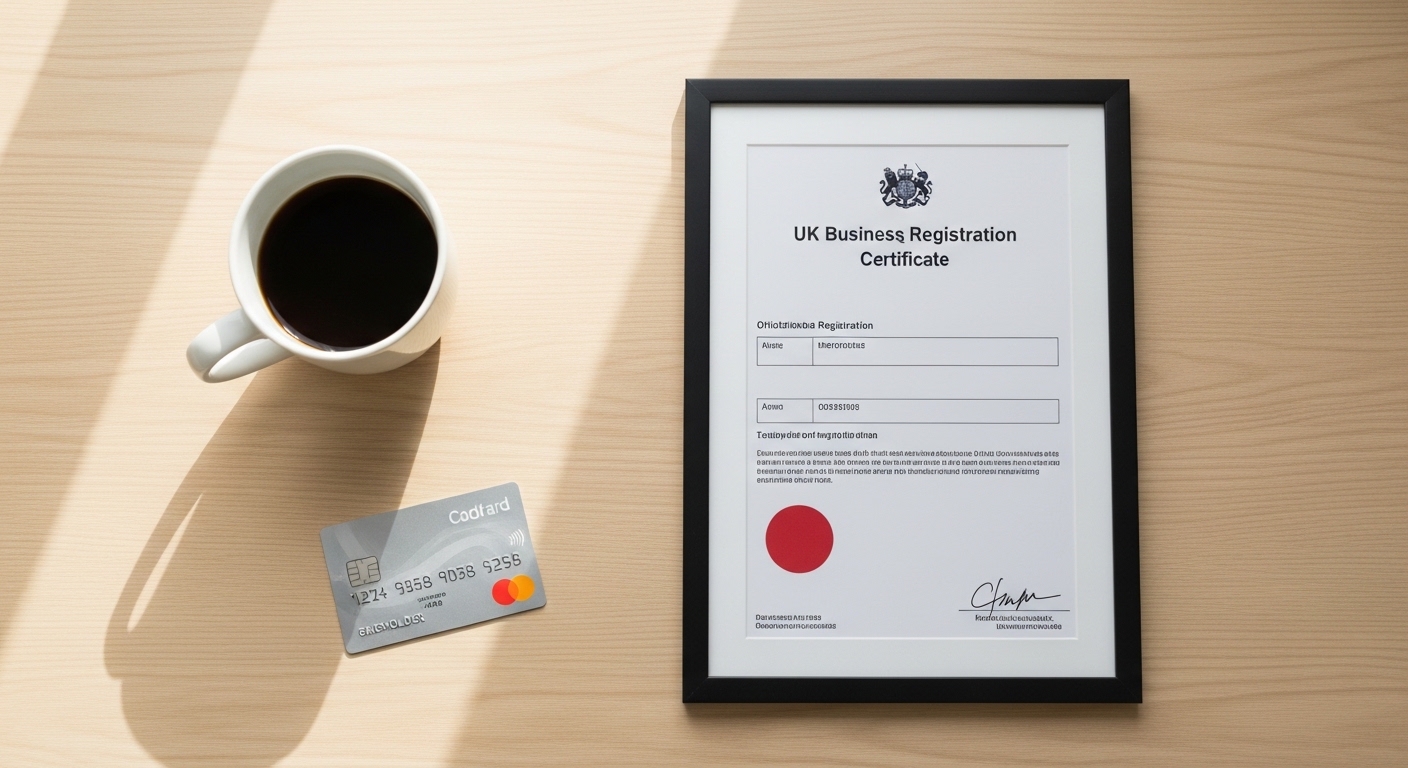
Regardless of which bank you choose, the application process for an expat is governed by strict ‘Know Your Customer’ (KYC) and Anti-Money Laundering (AML) regulations. Preparation is key to avoiding delays. To ensure a smooth experience, you should have the following documents ready in high-quality digital formats:
- Proof of Identity: A valid passport (usually with a biometric chip) is mandatory. Some banks may also accept a UK Driving License or a BRP (Biometric Residence Permit).
- Proof of UK Address: This is often the hardest part for new expats. Utility bills, council tax statements, or a UK bank statement are usually required. Some digital banks are more flexible, accepting rental agreements.
- Business Details: You will need your Companies House registration number, your SIC code (which describes your business activity), and details of all directors and significant shareholders.
It is also worth noting that many banks will ask for a brief explanation of your business model and expected turnover. Having a simple business plan or a summary of your expected monthly transactions will help the bank’s compliance team approve your account faster. If you are a freelancer or sole trader, providing proof of your professional qualifications or existing client contracts can also bolster your application.
Final Verdict: Choosing Your Path
Ultimately, the ‘best’ account depends on your specific business structure and where your money is coming from. If you are a digital nomad or an expat whose business is largely international, the multi-currency capabilities of Wise or Revolut are hard to beat. They minimize the ‘hidden’ costs of currency conversion that can quietly erode your profit margins.
On the other hand, if you are building a local UK business with physical premises or employees, a licensed bank like Starling or HSBC Kinetic offers the long-term stability and regulatory protection you might require. Many savvy expats choose a hybrid approach: using a licensed UK bank for their primary operations and FSCS protection, while maintaining a Wise or Revolut account specifically for international payments and currency hedging.